
Relapse prevention support at Sobriety and Beyond comes from the house itself: a substance-free home, a daily routine and housemates who notice the early signs that someone is struggling. It is built into how the home runs, so you are not holding your sobriety together alone.
How Sober Living Lowers the Risk of Relapse
Sober living lowers the risk of relapse by removing the people, places and substances tied to past use and replacing them with structure. The first months after treatment are when many men go back to the same house and the same friends, and that is often where drinking or using starts again.
In a sober home, there is nothing in the house to reach for and no one around who wants you to go back.
Housemates Notice Before You Do
When you live with men in recovery, someone usually spots a skipped meeting, a missed curfew or a change in mood before it turns into something bigger. They have been through the same thing and know what it looks like.
That kind of early notice is hard to get when you live alone.
Your Support Is Under the Same Roof
The people you would call on a hard day, the house manager and your housemates, live in the same home. You do not have to find a phone number or wait until morning to talk to someone.
Who This Support Is For
Relapse prevention in sober living fits men who have finished detox and want structure around the next stage. Most arrive after residential treatment or while attending an outpatient program, and all of them are committed to staying sober and following house rules.
How Curfew, Meetings and Routine Protect Your Sobriety
A nightly curfew, the weekly house meeting and weekly AA or NA meetings leave few empty, unplanned hours in the week. Each part of the routine does a specific job.
| Routine | How it helps |
|---|---|
| Nightly curfew | Keeps late nights from turning into old habits |
| Weekly house meeting | Gives you a set time to say what is going on |
| Weekly AA or NA meetings | Keeps you connected to recovery outside the house |
| Work, school or a job search | Fills the day with something to show up for |
| Live-in house manager | Someone on site who keeps the routine steady |
None of these depend on how motivated you feel on a given day, which is what makes them useful.
Warning Signs the House Watches For
Relapse usually starts with small changes in behavior long before anyone drinks or uses. These are the signs residents and the house manager look out for.
| Warning sign | What the house does |
|---|---|
| Pulling away from housemates | Someone checks in and asks how you are doing |
| Skipping meetings | It comes up at the house meeting and housemates offer a ride |
| Missing curfew | The house manager talks with you the next day |
| Letting routines slide | Housemates notice and say something early |
| Talking about past use as better than it was | Housemates call it out and talk it through with you |
Catching these early gives you far more room to turn things around than waiting until something has already happened.
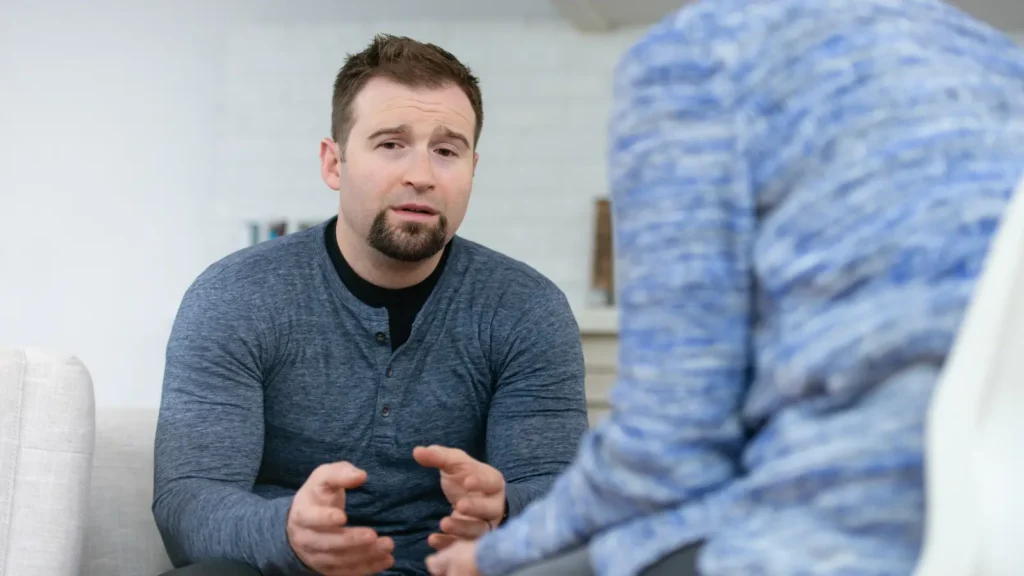
What Happens If You Slip
If you slip, tell the house manager and your sponsor the same day so you can talk through next steps. Being honest quickly matters more than the slip itself, and it is the first thing the house asks of you.

Moving In Starts With One Call
Getting into a house built around relapse prevention starts with a short phone call.
- Book a free call. Call (973) 981-3047 or fill out the form. We ask where you are in recovery, whether you have finished detox and whether you are in a program now.
- Ask your questions. Learn about the house, the rules, the rent and room options.
- Move in. Once you are approved, pick a move-in date and join a house built on the routine described above.
Meetings and Support Close to the House
Daily AA and NA meetings run in and around New Brunswick, so support is never far from the house. NJ Transit, Route 1 and Route 18 make it easy to reach meetings, work and appointments without a car, and housemates often carpool together.
Frequently Asked Questions
How Does Sober Living Help Prevent Relapse?
Sober living gives you a drug-free home, a fixed routine and people around you who notice when you are struggling.
What Are The Early Warning Signs Of Relapse?
Common early signs include pulling away from people, skipping meetings, letting routines slide and thinking about past use as better than it was.
What Are Common Relapse Triggers?
Stress, certain people or places tied to past use, and big life changes like losing a job or ending a relationship are common triggers. They differ from person to person.
Does A Slip Mean I Have Failed?
No. A slip does not erase the progress you have made. Being honest about it quickly and getting back to your routine matters most.
What Should I Do On A Hard Day?
Talk to the house manager or a housemate, and get to a meeting. That is what the people around you are there for.
Is Relapse Prevention Support The Same As Treatment?
No. Relapse prevention support here is the daily structure and community of the house, not clinical care.
Protect Your Recovery in a Sober Home
At Sobriety and Beyond in New Brunswick, NJ, relapse prevention support is part of daily life in our Sober Living for Men, with house rules, a weekly house meeting and men who notice when you are struggling. Call +1 973-981-3047 to find out if the house is the right fit.