
Most sober living homes favour urine drug tests. They’re practical because one panel can screen for marijuana, cocaine, opiates, amphetamines, and PCP. Most commonly misused drugs typically stay detectable in urine for about 2–4 days. If you screen positive, the home may send your sample for confirmatory testing. Homes often check alcohol separately with breath tests or EtG/EtS urine screens. Your home’s written policy shapes how often you’ll test, whether it’s observed, and what happens next.
Key Takeaways
- Most sober living homes favour urine drug tests as a practical way to screen for multiple substances at once.
- Standard urine panels commonly detect marijuana, cocaine, opiates, amphetamines, and PCP, with most drugs detectable for about 2–4 days.
- Alcohol is often tested separately using breath tests or urine EtG/EtS tests, which detect alcohol metabolites for about 1–2 days.
- Testing frequency, randomness, and whether collection is observed depend on each home’s written policy, not a national mandate.
- Residents should disclose prescriptions and MAT, since legitimate medications can trigger positive screens that may require confirmatory testing.
What kind of drug test do sober living homes use
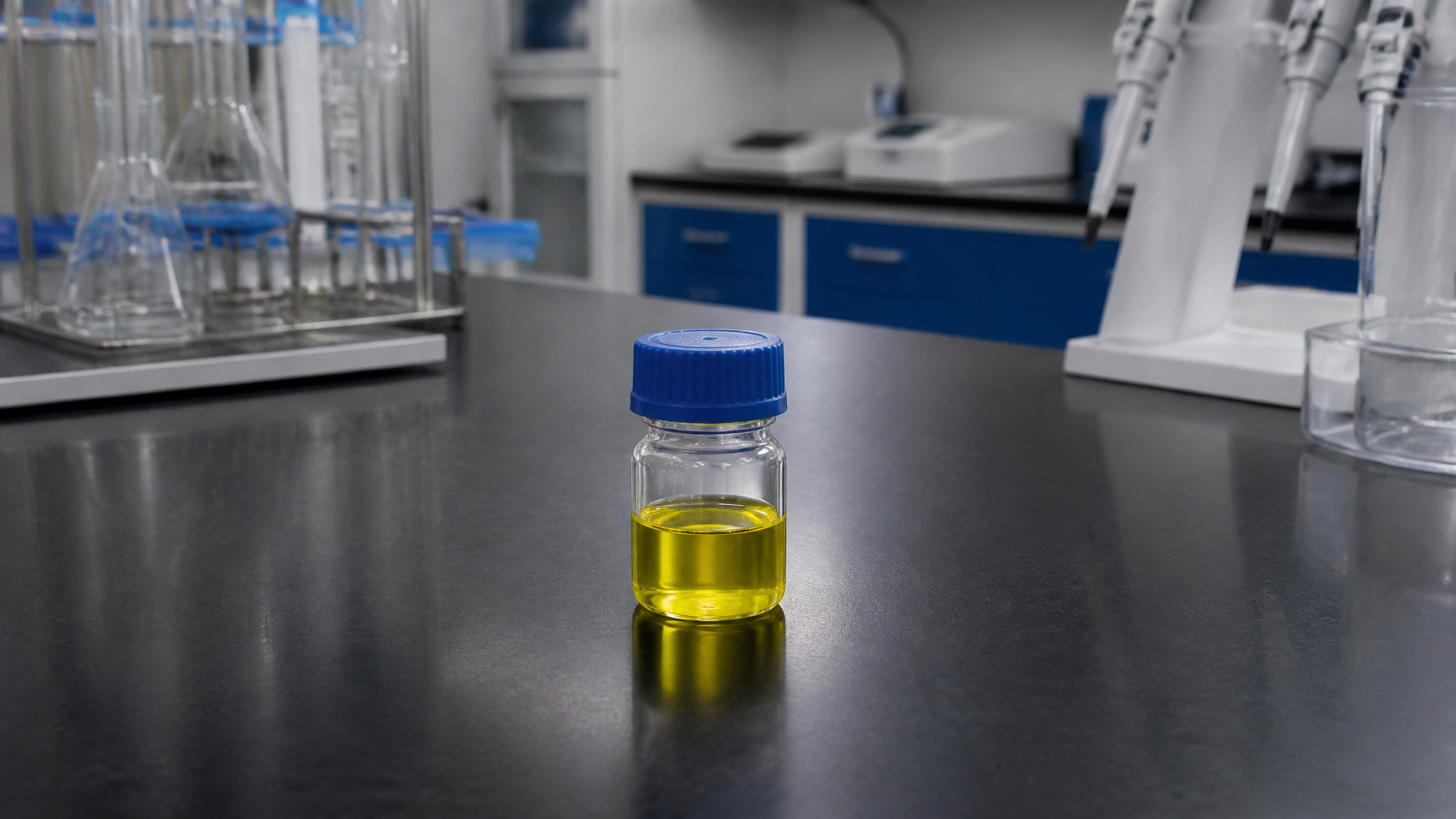
Most sober living homes use urine drug tests. It’s a practical choice because one sample can screen for several substances, including marijuana, cocaine, opiates, amphetamines, and PCP, depending on the panel. SAMHSA reports that most commonly misused drugs stay detectable in urine for about 2–4 days, though your hydration, metabolism, and use patterns affect that window. If your screen comes back positive, a confirmatory test can verify the result.
Urine isn’t a universal rule, though. Your residence might use oral fluid, sweat, hair, blood, or breath tests for alcohol. NARR standards require homes to keep written testing policies but don’t mandate one method or frequency. Ask for your home’s policy so you’ll know when testing happens, how results are handled, and how disputes work.
How the common panels compare on what they detect
A standard urine panel detects marijuana, cocaine, opiates, amphetamines, and PCP, a urine test with EtG/EtS detects alcohol metabolites, and a breath test detects alcohol only. Your home likely uses urine testing, but the panel, meaning the specific set of substances a test screens for, determines what a sample can reveal.
| Test option | What it detects | Typical window |
|---|---|---|
| Standard urine panel | Marijuana, cocaine, opiates, amphetamines, PCP | About 2–4 days for most substances |
| Urine with EtG/EtS | Alcohol metabolites | About 1–2 days |
| Breath test | Alcohol only | While alcohol remains in blood |
Panels differ, so ask your residence which substances it screens and how it confirms positives. A single amphetamine dose may show for only about 24 hours, and hydration, metabolism, and amount used shift every window. A positive result shows exposure within that window, not a pattern of long-term use. Disputes follow written policy.
How often testing happens and whether it is truly random
Testing frequency and whether tests are random depend on your residence’s policy, since no national schedule sets how often you’ll be tested or requires tests to be random. NARR standards require each residence to keep written screening or toxicology procedures, but they don’t dictate frequency or format. Your home’s policy, along with any state requirements, decides when testing happens and what follows a positive result. Most commonly misused substances stay detectable in urine for about 2–4 days, so the interval between tests shapes what a screen can catch. Ask directly, prior to moving in, whether testing is scheduled, random, or triggered by concerns. NARR expects residences to apply procedures consistently and fairly, so “random” testing shouldn’t single you out. Request the full written policy, including how you can contest a disputed result.
How alcohol is tested for differently from drugs
Residences often test for alcohol differently from drugs, relying on breath and urine tests, because alcohol clears your body faster than many drugs. A breath test detects alcohol only while it’s still in your blood, so it reflects recent drinking rather than use from days earlier. It won’t screen for most other drugs.
Urine testing can extend that window. Alcohol itself typically appears in urine for roughly 7–12 hours, while metabolites such as EtG and EtS may remain detectable for about 1–2 days, which can reveal yesterday’s drinking.
Keep in mind that a positive result shows exposure within the test’s window. It can’t establish long-term alcohol misuse. Because NARR standards don’t mandate a specific method, check your residence’s written policy to learn which tests it uses and how it handles disputed results.
Whether tests are observed and why
It depends on the home’s written policy. Some residences observe sample collection and others don’t, because NARR standards require residences to maintain screening or toxicology procedures but don’t mandate a single collection method, so practices vary.
Whatever approach your residence uses, NARR’s ethical guidance expects it to protect your privacy and dignity. Its standards call for appropriate, trauma-informed toxicology procedures and testing that’s transparent, fair, and uniformly applied. Consistent procedures prevent arbitrary or unequal treatment.
Ask how samples are collected, when testing may occur, and how results are handled before moving in. If you dispute a result, the residence’s stated procedures should guide the process. NARR Arkansas, for example, requires policies addressing contested screens.
What happens with a positive, diluted, or refused test
What happens after a positive, diluted, or refused test depends on your residence’s written policy and any applicable state requirements, since NARR standards don’t set uniform consequences. NARR expects these procedures to be transparent, consistently applied, and recovery-driven. They should also protect your privacy and dignity.
- Positive result: Staff may send your sample for confirmatory testing. Then they’ll review your prescriptions and discuss next steps privately.
- Diluted sample: You may be asked to retest, since hydration can affect urine results and detection windows vary.
- Refused test: Your house rules may treat refusal like a positive result, so read that policy before you sign.
If you dispute a result, follow your residence’s stated procedure. Ask how you can contest a screen and request confirmation.
How prescribed medication and MAT are handled
Residences handle prescribed medication and MAT according to their own written policies, which vary, and NARR standards allow those policies to address your prescription medication use and storage. Read your house’s written policy carefully. It may ask you to disclose prescriptions, keep medications in secure storage, or provide documentation from your prescriber. Your prescriptions can affect how a positive screen is interpreted, so it helps to know your residence’s medication rules before you test.
Because urine panels detect drug metabolites, a legitimate prescription can produce a positive result for a substance class. Disclosing medications before testing helps staff interpret results accurately and fairly. If you use medication for addiction treatment (MAT), confirm how your residence addresses it before you move in. If you dispute a result, follow your residence’s stated procedures for contested screens, and keep copies of your prescriptions.
Conclusion
When it comes to drug testing, most sober living homes favour the urine test for good reason: a single panel can screen for marijuana, cocaine, opiates, amphetamines, and PCP, with most substances detectable for about 2–4 days, and a positive result can be confirmed with follow-up testing. Alcohol is usually checked separately through breath tests or EtG/EtS urine screens, which catch recent drinking. The details that matter most to you, how often you’ll test, whether collection is observed, and what follows a positive, diluted, or refused screen, all come down to each home’s written policy rather than a national rule, with NARR expecting those procedures to be fair, consistent, and respectful of your privacy. The best move is simple: ask for the full written testing policy before you move in, disclose any prescriptions or MAT up front, and know how to contest a disputed result. With that clarity, testing becomes exactly what it’s meant to be, a supportive layer of accountability that helps protect your recovery.
Live With Clear Accountability in Sober Living
Regular drug testing and clear house rules are the backbone of structured sober living that truly protects recovery. At Sobriety and Beyond in New Brunswick, NJ, our welcoming Sober Living Housing combines consistent Accountability in Recovery with daily routines that keep every resident committed to lasting sobriety. Call +1 973-981-3047 today and take a confident step toward lasting recovery.
Frequently Asked Questions
Who Pays for Drug Tests in a Sober Living Home?
Who pays depends on your residence’s written policy. NARR standards require sober living homes to maintain drug screening procedures, but they don’t set a national rule on payment. Before you move in, ask whether testing fees are included in your rent or billed to you separately. You’ll also want clear answers on how often testing happens, how results stay private, and how you can contest a disputed screen.
Can Certain Foods or Supplements Cause a False Positive Result?
Yes, some can. Poppy seeds may trigger an opiate screen, and hemp or CBD products can contain enough THC to register. Certain medications can also cross-react with initial screens. That’s why a confirmatory test matters when you get an unexpected result. Tell staff about everything you’re taking before testing, and if you dispute a result, follow your residence’s written procedures for contested screens. You deserve fair, consistent, respectful treatment throughout.
Do Sober Living Homes Share Drug Test Results With Employers or Courts?
It depends on your residence’s written policy and applicable state requirements. NARR guidance expects recovery residences to protect your privacy and dignity, so results generally shouldn’t reach employers or courts without your consent. If you’re in court-ordered housing or have signed a release, sharing may be part of your agreement. Before moving in, ask how results are stored, who can see them, and how you can contest a disputed screen.
Are Drug Tests Required Before Moving Into a Sober Living Home?
It depends on the residence. No universal rule requires you to pass a drug test before moving in, but NARR standards do require each home to keep written screening or toxicology procedures. Your home’s policy and state requirements decide whether you’ll test at intake, how often, and which method it uses. Before you commit, ask for the written policy so you understand what’s expected and how they’ll protect your privacy.
Can Residents Request an Independent Lab Retest at Their Own Expense?
You may be able to, but it depends on your residence’s written policy. There’s no universal rule guaranteeing an independent lab retest. NARR standards require homes to maintain screening procedures, and NARR Arkansas’s compliance manual specifically calls for policies addressing contested screens. Before moving in, ask how disputes work, who pays, and whether confirmatory testing is available. Consistent, transparent procedures should protect your privacy, dignity, and fair treatment throughout recovery.