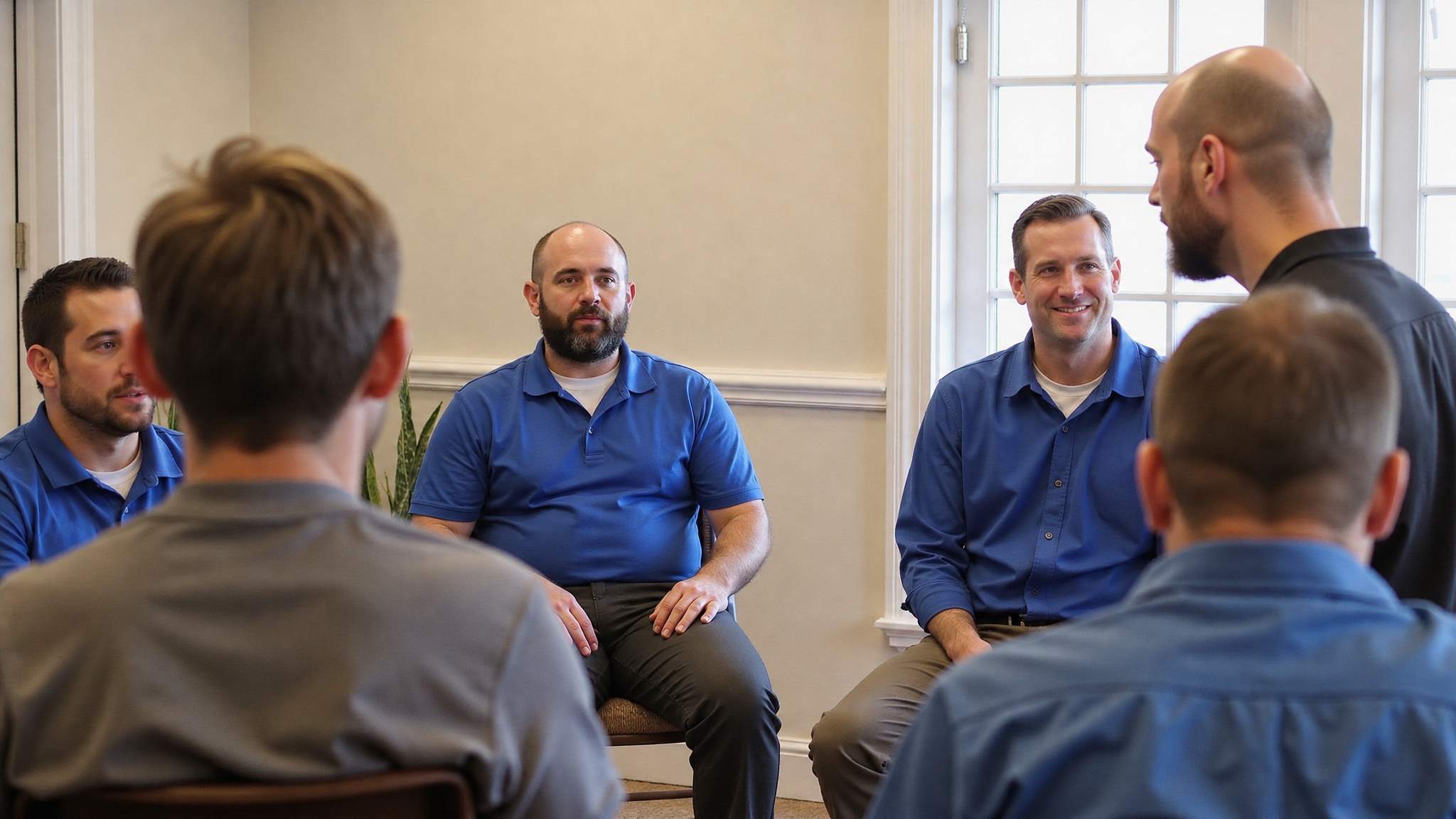
If you want films that treat recovery honestly, start with “Clean and Sober”, “28 Days”, and “Beautiful Boy”. Add the documentary “Recovery Boys”, which follows four men through an eighteen-month residential program. These titles don’t stop at the first sober day. They show relapse, shifting treatment, and repaired relationships as part of the process. You’ll get narrative insight, not clinical guidance. You’ll also find how they compare, which clichés to spot, and how to watch safely.
Key Takeaways
- “Clean and Sober”, “28 Days”, “Beautiful Boy”, “Ben Is Back”, and “Recovery Boys” portray addiction to cocaine, alcohol, methamphetamine, and opioids.
- “Beautiful Boy” and “Recovery Boys” realistically depict relapse, setbacks, and repeated efforts as normal parts of lasting recovery.
- Two-hour films often compress recovery into neat arcs, so treat them as narrative inspiration rather than clinical guidance.
- Documentaries like “Recovery Boys” and “Heroin(e)” show real time passing, nonlinear progress, relationship repair, and community-level context.
- Choose healing-focused films over drug-use-heavy ones like “Requiem for a Dream”, check content notes, and pause whenever needed.
Which movies about addiction and recovery are worth watching

Five films worth watching that treat recovery as more than a dramatic ending are “Clean and Sober”, “28 Days”, “Beautiful Boy”, “Ben Is Back”, and “Recovery Boys”, each offering a distinct perspective. “Clean and Sober” (1988) follows Michael Keaton’s cocaine-addicted real estate agent, who enters rehab to dodge legal and financial trouble and slowly confronts himself through counseling, peer meetings, and a sponsor. “28 Days” (2000) offers a more accessible, partly comedic look at early residential treatment through Sandra Bullock’s alcoholic journalist. “Beautiful Boy” (2018), based on memoirs by David and Nic Sheff, and the fictional “Ben Is Back” (2018) shift the focus to families, showing how relapse and uncertainty strain the people who love someone with an addiction. Then watch “Recovery Boys”.
Why screen portrayals shape what people expect of recovery
Screen portrayals shape what people expect of recovery because a film has to compress the process into about two hours, and the choices it makes about what recovery looks like can quietly set your expectations. 28 Days centers on a single residential stay, but its plot doesn’t establish that 28 days, or any fixed duration, suits everyone. Clean and Sober treats early sobriety as a turning point rather than a resolution, showing counseling, peer meetings, and a sponsor as ongoing supports. Beautiful Boy and Recovery Boys go further, depicting relapse, changes in treatment, and the slow work of rebuilding relationships as part of the process rather than evidence of failure. Keep in mind that these are narratives, not clinical guidance. If your path looks different from any character’s, that doesn’t mean you’re doing recovery wrong.
How the key titles compare on substance, tone, and accuracy

The five key titles cover four substances (cocaine, alcohol, methamphetamine, and opioids) and range from fictional stories to a memoir-based film and a documentary.
| Film | Substance | Basis |
|---|---|---|
| Clean and Sober | Cocaine | Fictional |
| 28 Days | Alcohol | Fictional |
| Beautiful Boy | Methamphetamine | Memoir-based |
| Ben Is Back | Opioids | Fictional |
| Recovery Boys | Opioids | Documentary |
Which clichés the genre keeps repeating
The genre keeps repeating the same clichés: a crisis that forces entry into treatment, a rehab stay that serves as a turning point, family strain compressed into a single tense homecoming, and a resistant newcomer who gradually accepts help. The crisis shows up as Gwen’s wedding disaster in 28 Days and Daryl’s legal and financial trouble in Clean and Sober. The rehab-as-turning-point device implies one program length suits everyone, but it doesn’t. Family stories like Ben Is Back squeeze years of strain into one charged return home. These films differ in substances and sources, yet they share these conventions, which are dramatic shorthand rather than a full picture of what recovery can look like. These devices aren’t false, but they’re selective. Recovery Boys and Beautiful Boy counter them by showing relapse, setbacks, and repeated efforts over time. Treat every portrayal as narrative, not clinical guidance.
What documentaries show that dramas cannot

Documentaries show what dramas cannot: the passage of real time and the nonlinear shape of recovery. In Recovery Boys, you follow four men through Jacob’s Ladder, a residential program at Brookside Farm described as running eighteen months. You don’t get a tidy arc. You see setbacks, efforts to repair relationships and the slow work of rebuilding ordinary routines. Director Elaine McMillion Sheldon lets recovery unfold without forcing a climax.
Her short documentary Heroin(e) widens your view. It follows three women working amid West Virginia’s opioid crisis, adding a community-level context to individual recovery stories.
Dramas like 28 Days compress change into a few weeks because stories need structure. Documentaries remind you recovery’s often nonlinear. Still, remember they’re observations of specific people, not proof that one program suits everyone.
Which addiction films are best avoided in early recovery
Films that dwell on drug use rather than recovery, such as Requiem for a Dream, are best approached with caution in early recovery. Requiem for a Dream, which depicts heroin, amphetamines and prescription drugs, focuses on consequences rather than healing, so it offers little of the support, connection or rebuilding that recovery-centered stories provide.
Even recovery-focused films can contain difficult material. Sources flag drug use, overdose-related crisis, death, financial wrongdoing and treatment conflict in Clean and Sober, so check content notes first. You’ll find “The Lost Weekend” and “Days of Wine and Roses” in many addiction-film lists, but verified details aren’t available here, so research them yourself. If a scene stirs cravings, pause it. Your counselor or sponsor can guide your choices.
How to watch one safely and what to do if it hits too close
Watch safely by deciding in advance how you’ll watch and who you’ll contact if a scene affects you more than expected. Check content notes first. Clean and Sober, for example, includes drug use, an overdose-related crisis, death, and treatment conflict. Watch during the day, ideally with someone who supports your recovery, and keep the remote within reach. Pausing or stopping isn’t failure. It’s a skill.
If you notice cravings, a racing heart, or intrusive memories, step away and name what you’re feeling. Call your sponsor, counselor, or a trusted person, and use coping strategies you’ve already practiced. Remember that these films are stories, not clinical guidance, so a character’s path doesn’t predict yours. If urges persist or you feel unsafe, contact your treatment provider promptly.
Conclusion
The best films about addiction do more than dramatize rock bottom; they show the slow, honest work of recovery and the people who make it possible. Watched with a little care, they can spark reflection, empathy, and conversation. If a story stirs something you want to act on, Sobriety and Beyond is here to help you take the next step.
Turn Reflection Into a Real Next Step
If a film about recovery leaves you thinking about your own path or someone you love, that is worth acting on. At Sobriety and Beyond, our peer support and mentorship connects you with people who have walked the same road. Contact us whenever you are ready to talk.
Frequently Asked Questions
Where Can I Stream or Rent These Addiction and Recovery Films?
Streaming and rental availability changes often, so the most reliable way to find each film is to search the title on an aggregator like JustWatch or Reelgood, which list every platform currently carrying it. You can also check Amazon, Apple TV, and Google Play for rentals, and your local library’s free Kanopy or Hoopla access. Recovery Boys debuted as a Netflix documentary, so that is a good place to start. If a film’s themes feel heavy, look up its content notes before you watch.
Are Any of These Films Appropriate for Teenagers or Family Viewing?
Possibly, but you’ll need to judge fit yourself, since these sources don’t list age ratings. You might start with 28 Days, a comparatively accessible drama with comedic elements. Clean and Sober carries content notes for drug use, overdose-related crisis, death, and financial wrongdoing. Beautiful Boy and Ben Is Back depict relapse and family strain. Preview each film, check official ratings, and discuss it afterward; films aren’t clinical guidance or advice.
Should I Read the David and Nic Sheff Memoirs Before Watching Beautiful Boy?
You don’t strictly need to, but reading them first can deepen your viewing. The film draws on both David’s and Nic’s published memoirs, yet it centers mainly on the father’s experience of his son’s methamphetamine addiction. If you read both, you’ll bring Nic’s perspective into scenes of repeated relapse and family strain. Either way, remember it’s a narrative portrayal, not clinical guidance, and prepare yourself for difficult drug-use content.
Can These Films Be Used in Classrooms or Support-Group Discussions?
Yes, you can use them, but you’ll want to frame them as narratives, not clinical guidance. Pair Beautiful Boy or Recovery Boys with discussion of relapse and recovery’s nonlinear course. Avoid presenting 28 Days as proof one treatment length suits everyone. Add content notes, since Clean and Sober includes drug use, overdose-related crisis, death, financial wrongdoing, and treatment conflict. Gently remind participants that these films aren’t substitutes for professional care.
Are There Good Films About Gambling or Other Behavioral Addictions?
Yes, there are. Gambling has been portrayed memorably in films like Owning Mahowny, Uncut Gems, and The Gambler, each showing how compulsion escalates and what it costs in money and relationships, while Molly’s Game explores the same world from the other side of the table. Behavioral addictions such as gaming or internet use have fewer dramatizations, though documentaries on them do exist. Whatever you watch, treat it as a story rather than a clinical guide, and apply the same questions you would to any recovery film: is it honest about relapse, family impact, and the slow work of change?