It depends on how you and your program define sobriety. If you count time without intoxication, one non-alcoholic beer likely won’t reset your streak. If your program requires total abstinence, it may, since many “non-alcoholic” beers contain up to 0.5% ABV. Either way, a reset doesn’t erase the skills and progress you’ve built. The taste, smell, and ritual can trigger cravings, though, so it’s worth knowing who’s most at risk and which alternatives are safer.
Key Takeaways
- Whether one non-alcoholic beer breaks your sobriety streak depends on how you or your program defines sobriety.
- If sobriety means time without intoxication, one non-alcoholic beer likely doesn’t change your count.
- Programs requiring total abstinence may count it as a break, since “non-alcoholic” beer can contain up to 0.5% ABV.
- The taste, smell, and ritual of non-alcoholic beer can trigger cravings, posing more risk than trace alcohol for some people.
- Even if your count resets, one drink doesn’t erase the skills, effort, and progress you’ve built in recovery.
Does drinking non alcoholic beer break sobriety
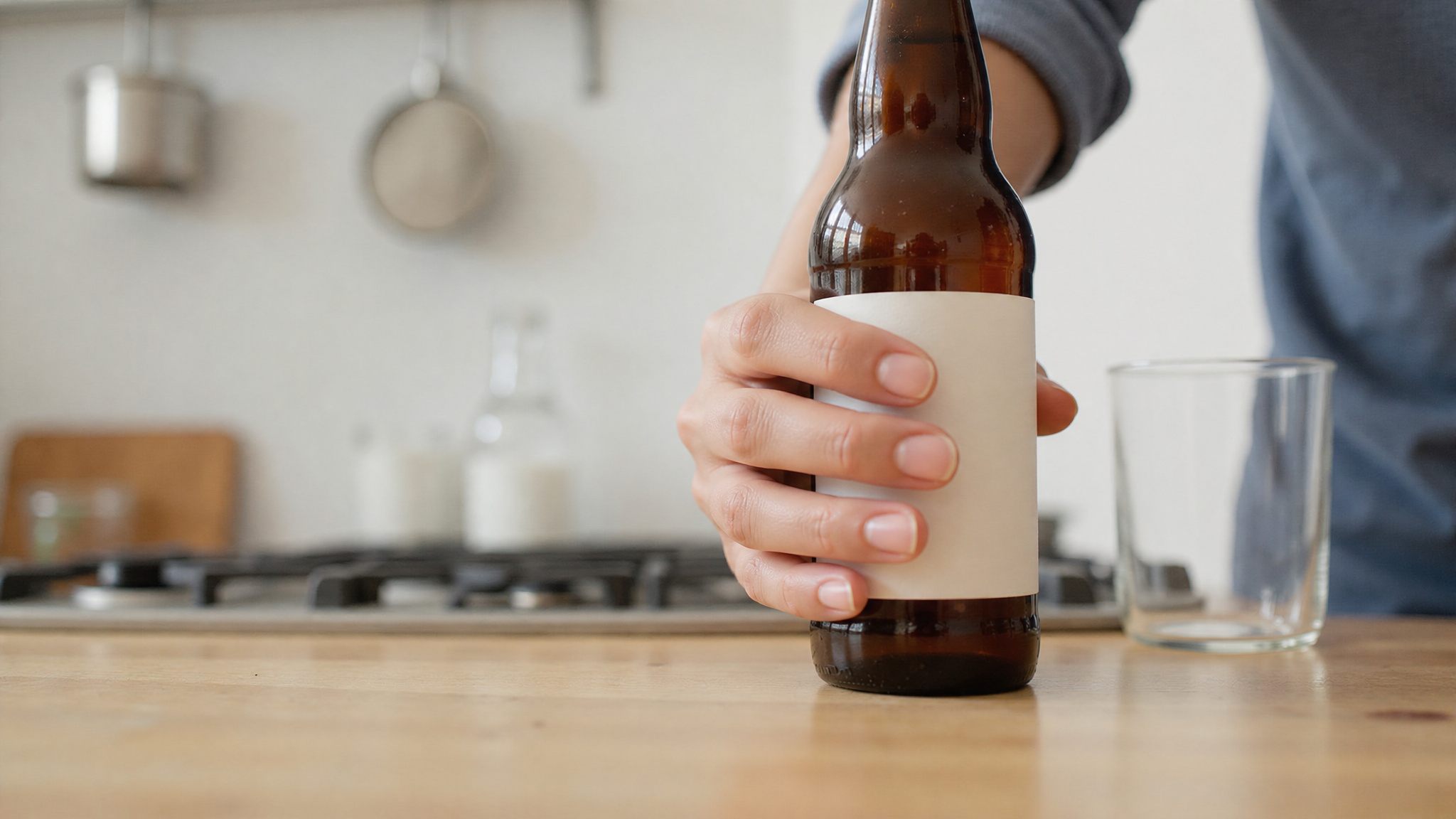
It depends on how you and your recovery plan define abstinence, not on the can itself. There’s no universal rule. If you count time without intoxication, one non-alcoholic beer likely won’t reset your streak. If your treatment program, sponsor, or support group requires abstinence from all alcohol, it might, because many U.S. products labeled non-alcoholic contain up to 0.5% ABV. Check the label: 0.0% and 0.5% aren’t the same.
A reset count doesn’t erase the skills, effort, and progress you’ve built. The bigger question is how the drink affects you. Its taste, smell, and ritual can trigger cravings for some people, while others say it helps them drink less. Clarify your definition with your clinician or sponsor beforehand.
How much alcohol non alcoholic beer actually contains
Many U.S. products labeled “non-alcoholic” can contain up to 0.5% alcohol by volume (ABV), while others are labeled 0.0%. That trace amount differs sharply from a standard beer, but it may still matter if your recovery plan calls for complete abstinence.
| Label you see | Possible ABV | What it may mean for you |
|---|---|---|
| “Non-alcoholic” | Up to 0.5% | Trace alcohol you might not expect |
| “Alcohol-free” or 0.0% | 0.0% | No alcohol, but familiar cues remain |
| Regular beer | Typically higher | Clear alcohol exposure |
Don’t rely on wording alone; “alcohol-free” and “non-alcoholic” don’t always mean the same thing. Check the ABV on each package before you drink it. If you avoid alcohol for medical, religious, legal, or personal reasons, that small amount can still count.
Why the answer depends on how you define sobriety
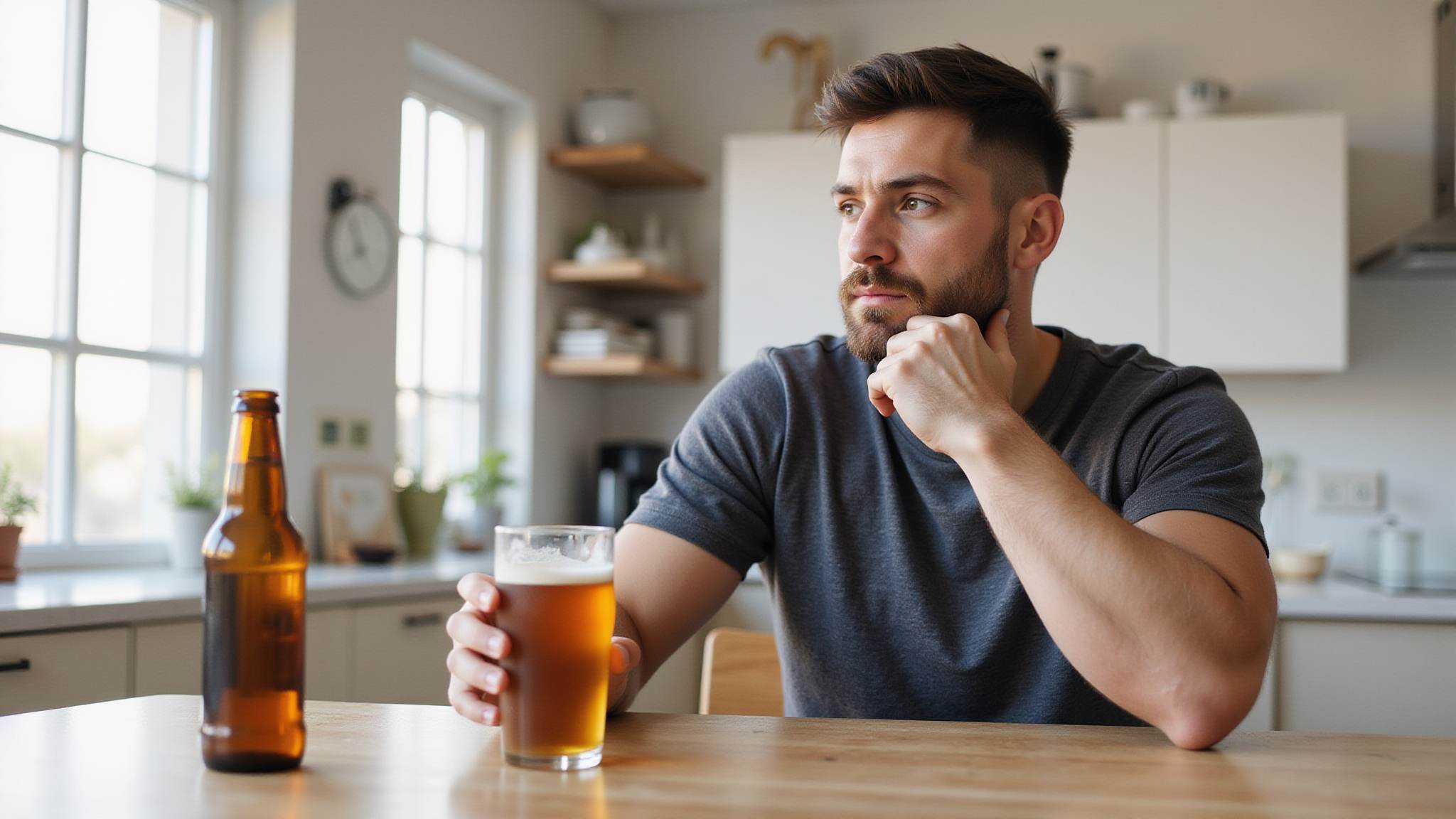
The answer depends on your definition because sobriety streaks have no single standard, so one non-alcoholic beer may reset your count or leave it untouched, depending on the standard you’ve chosen. If you define sobriety as time without intoxication, a 0.5% ABV beer likely won’t change your count. If you count any alcohol exposure, even trace amounts may matter.
Your treatment program might require abstinence from all alcohol and other drugs, and your peer-support group or sponsor may follow its own conventions for counting time. That’s why it helps to clarify your definition in advance with a provider or support group.
Whatever your count shows, remember that one drink doesn’t erase the skills, effort, and progress you’ve built in recovery. A reset number isn’t proof that recovery has failed.
What AA and treatment professionals generally say
AA and treatment professionals generally say there is no universal ruling on non-alcoholic beer, so the guidance depends on who you ask. Treatment programs may require abstinence from all alcohol and other drugs during care, and recovery goals vary by person.
Common positions include:
- Some programs treat any alcohol, including trace amounts up to 0.5% ABV, as a break in abstinence.
- Sponsors and groups may count sobriety time differently, so clarify definitions early.
- Clinicians often weigh cues like taste, smell, and ritual, which can trigger cravings in some people.
- Professionals generally agree one drink doesn’t erase the skills or progress you’ve built.
Ask your sponsor or treatment team how they’d count it, and decide together what supports your recovery.
Why the ritual and the taste matter more than the ABV
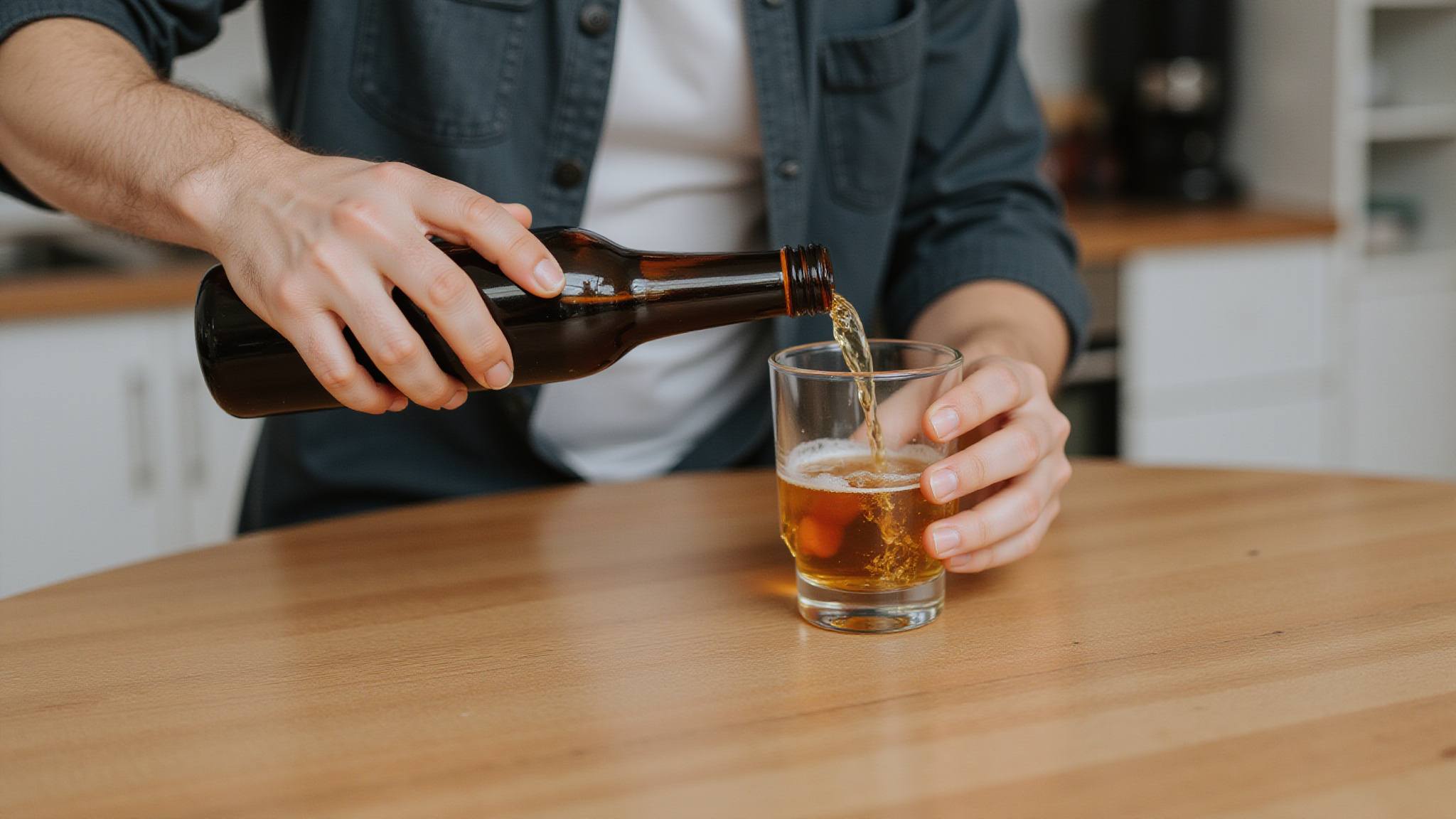
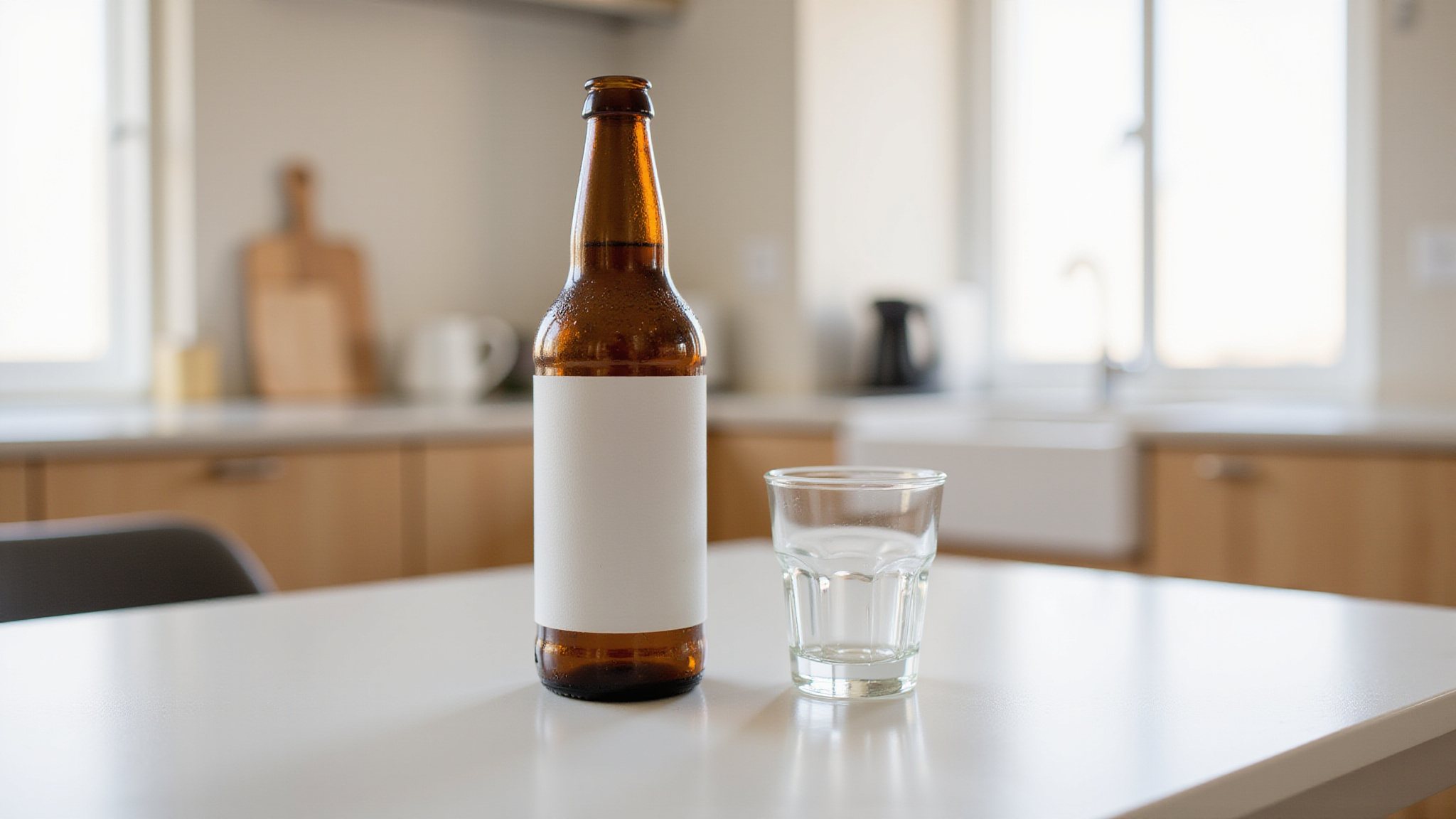
The taste, smell, and ritual of a non-alcoholic beer can work as alcohol cues, so for many people in recovery they pose more risk than its trace alcohol. The bottle, the branding, and the act of cracking one open all resemble the real thing. A systematic review found these beverages increased craving in some people with alcohol use disorder, especially those with stronger dependence. Still, the evidence doesn’t show whether that craving leads to relapse, and some survey respondents said non-alcoholic options helped them drink less.
You’re the best judge of how the ritual lands for you. If a familiar taste or a bar setting has triggered urges before, that outweighs a 0.5% label. If cravings rise, stop and call your sponsor.
Who should avoid it, and at what stage
People in early recovery or with active cravings should hold off on non-alcoholic beer until they’ve talked with their clinician, sponsor, or treatment team. Research links these drinks to increased craving in some people with alcohol use disorder, and stronger dependence has been tied to larger craving increases. The evidence doesn’t prove that craving leads to relapse, but it gives you good reason to be cautious.
Consider skipping it if:
- Your program requires total abstinence. Some products contain up to 0.5% ABV.
- Beer cues have triggered you before. The taste, smell, packaging, or setting can revive old patterns.
- You’re in a high-risk situation. Bars, parties, and stressful periods amplify cue reactivity.
- Avoiding alcohol cues is part of your plan. Choosing a different beverage protects that goal.
Which alternatives carry none of the risk
Drinks that don’t look, smell, or taste like beer, such as sparkling water with citrus, iced tea, coffee, or a juice spritzer, remove the two main concerns: trace alcohol and beer-like cues. They contain no alcohol and don’t mimic the taste, packaging, or ritual that can prompt cravings. Still, no drink is risk-free for everyone.
A 0.0% beer removes trace alcohol, but it doesn’t remove the cue. Check every label, since “non-alcoholic” can mean up to 0.5% ABV, and “alcohol-free” wording doesn’t always signal the same content.
Context matters too. If bars, certain glassware, or social rounds have triggered urges before, change the setting or vessel. When you’re unsure, ask your sponsor, clinician, or treatment team which options fit your plan.
Conclusion
A single non-alcoholic beer does not technically break a sobriety streak, but whether it is wise depends on what it stirs up for you. For some people it is harmless, for others it rekindles old rituals and cravings that are better left alone. Knowing your own triggers is what keeps your recovery safe. If you are unsure where that line sits for you, Sobriety and Beyond can help you think it through and stay protected.
Protect Your Streak With a Plan That Fits You
Whether a non-alcoholic drink is safe for you comes down to your own triggers, and you do not have to work that out alone. At Sobriety and Beyond, our relapse prevention support helps you spot risky moments early and plan around them. Contact us to build a plan that protects your progress.
Frequently Asked Questions
Can Non-Alcoholic Beer Cause a Positive Result on an Alcohol Urine Test?
Yes, it can. Products labeled non-alcoholic may contain up to 0.5% alcohol, and sensitive urine tests like EtG can detect trace amounts, especially if you drink several. Usually, levels stay below common cutoffs, but you can’t count on that. If you’re in a monitored program, choose verified 0.0% products, tell your clinician beforehand, and remember that one result doesn’t erase your recovery progress. You deserve honest, compassionate support along the way.
Is Non-Alcoholic Beer Safe to Drink While Taking Disulfiram or Naltrexone?
With disulfiram, you shouldn’t drink it. Even the trace alcohol in brews labeled up to 0.5% ABV can trigger flushing, nausea, or a racing heart, so it’s safest to avoid it unless your prescriber says otherwise. With naltrexone, you won’t face that dangerous reaction, but beer-like taste and smell can still spark cravings. Check the label, talk with your clinician or treatment team, and choose what truly supports your own recovery.
Should I Tell My Sponsor if I Already Drank One?
Yes, telling your sponsor is usually wise. They can help you decide how your program counts sobriety time, and honesty keeps you connected to support. One non-alcoholic beer doesn’t erase your progress or skills. Check the label’s ABV, since some contain up to 0.5%, and notice any cravings it stirred. If you’re taking disulfiram or another medication, contact your clinician too. Then return to your existing recovery plan with renewed confidence.
Should I Reset My Sobriety App Counter After One Non-Alcoholic Beer?
It depends on how you and your recovery plan define your streak. Some people reset only after intoxication; others count any alcohol, and “non-alcoholic” beer can contain up to 0.5% ABV, so check the label. Talk with your sponsor or clinician before changing the counter. Either way, one drink doesn’t erase your progress or skills. Notice any cravings, and if they rise, reach out to someone you trust quickly.
How Do I Handle Friends Offering Non-Alcoholic Beer at Social Events?
Decide your answer before you arrive, then decline simply: “No thanks, I’m good with soda.” You don’t owe anyone an explanation. Non-alcoholic beer’s taste, smell, and ritual can trigger cravings for some people, and some products contain up to 0.5% ABV, so it’s okay to choose another drink. Bring your own beverage, tell a trusted friend your plan, and contact your sponsor or clinician if cravings rise or start lingering.