You stay loyal to your sobriety by treating recovery as a long-term process, not a finish line. Willpower alone fades a few months in, so build structure that doesn’t rely on motivation. Put treatment check-ins on your calendar, pick weekly support meetings, and set goals beyond abstinence, like stable housing and meaningful work. When cravings or setbacks hit, reach out quickly and adjust your plan. Next, you’ll see which routines and supports hold up best.
Key Takeaways
- Treat recovery as a long-term process, with regular provider check-ins and goals beyond abstinence, like stable housing and meaningful work.
- Expect willpower to fade around month three, when everyday stress returns and unplanned triggers can catch you off guard.
- Build routines that don’t depend on motivation by scheduling treatment, weekly meetings, and set check-ins with a coach or friend.
- Combine clinician care, mutual-support meetings, and recovery coaching or housing, since overlapping supports provide broader, more consistent protection against relapse.
- Treat cravings and setbacks as information, name high-risk moments early, and reconnect with support within a day after slipping.
How do you stay committed to sobriety

You stay committed to sobriety by building a plan that grows with you, since recovery is a long-term process rather than a single finish line. Schedule regular check-ins with your treatment provider, and adjust your care when your life changes. Set goals beyond abstinence, like stable housing, meaningful work, and activities you enjoy. Stay connected through mutual-support meetings, a peer recovery coach, or a stigma-free network that reminds you you’re not alone. Identify high-risk situations and plan your support before they arrive. Use skills from behavioral therapy to manage stress and triggers, and ask a qualified clinician about medication if cravings threaten your progress. If you lapse, don’t treat it as failure. Reach out to your clinician or support person, reassess your plan, and re-engage with treatment.
Why early willpower tends to run out around month three
Early willpower tends to run out around month three because it can’t carry a long-term process on its own. Sobriety can start to feel harder rather than easier as the early rush of motivation fades, and that shift often shows up a few months in. You’ve likely relied on willpower to get through the first weeks, but your needs change, the structure of early treatment may loosen, and everyday stress returns. Triggers you haven’t planned for can catch you off guard.
This isn’t a personal failure. Substance use disorder is a treatable chronic condition, so it needs ongoing care rather than one burst of effort. Instead of pushing harder, build support that doesn’t depend on how motivated you feel: schedule regular clinician check-ins, keep attending peer support meetings, and map out high-risk situations before they arrive.
How to build a routine that does not depend on motivation

Build a routine that doesn’t depend on motivation by deciding the important parts in advance, so a low day doesn’t undo your progress.
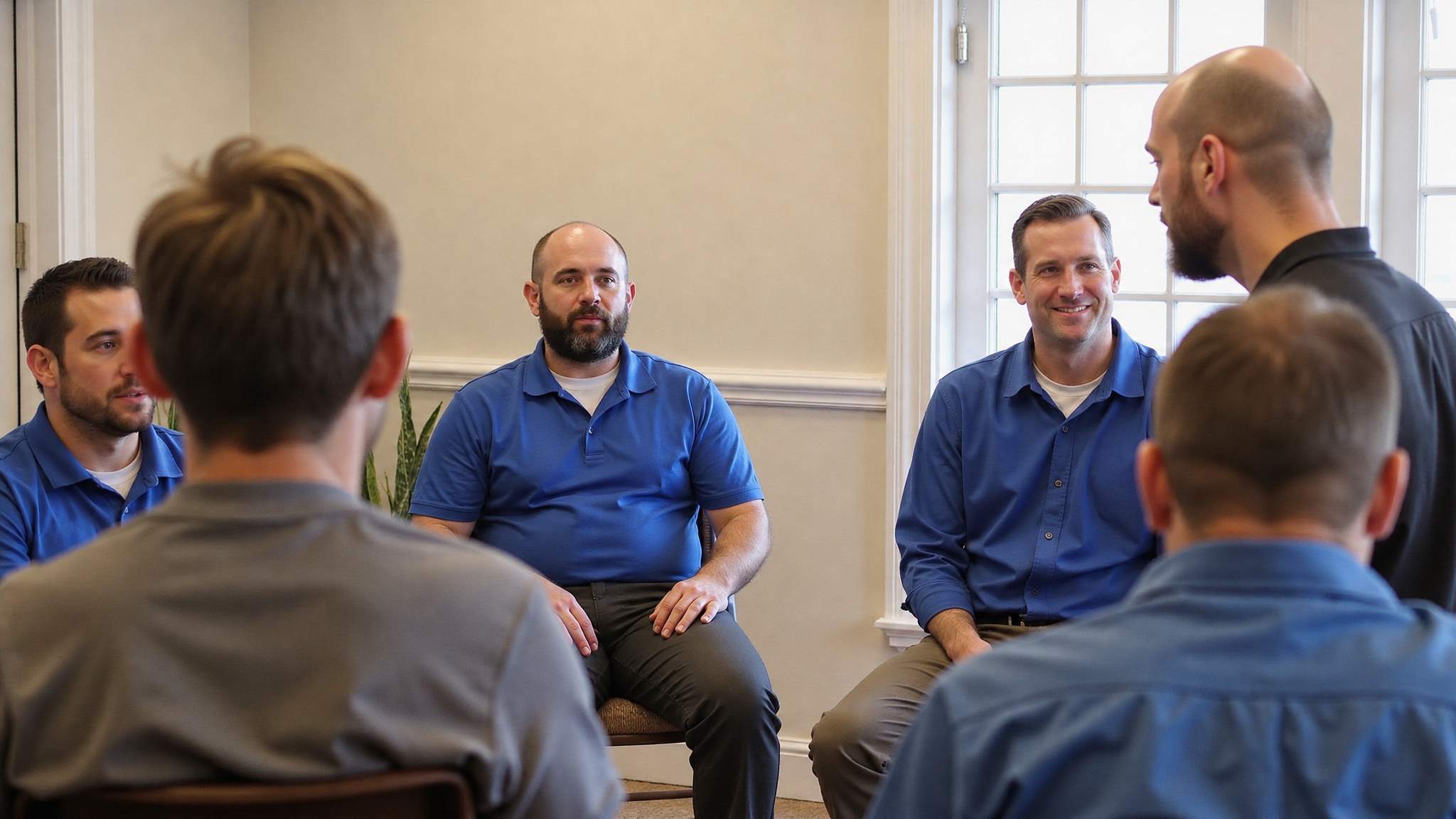
Put treatment on your calendar like any fixed appointment. Schedule regular check-ins with your provider, book counseling sessions, and choose specific mutual-support meetings, such as AA, that you’ll attend each week.
Next, anchor your days around practical stability: steady work hours, reliable housing, and recreation you genuinely enjoy. These goals reach beyond abstinence and give your time meaning.
Finally, ask a peer recovery coach or trusted friend to expect your call on set days. When you’ve built connection into your schedule, you don’t have to summon courage to reach out. You just follow the plan.
Which support structures do the most work
Clinician check-ins, mutual-support meetings, and recovery coaching or housing do the most work when they overlap, because no single support does all the work and one can catch you when another slips.
| Support | What it does | When it helps most |
|---|---|---|
| Clinician check-ins | Spots emerging needs and adjusts care | Life changes or cravings rise |
| Mutual-support meetings | Offer peer connection and shared experience | Isolation creeps in |
| Recovery coach or housing | Gives one-to-one guidance and structure | Returning to community life |
Research suggests sustained engagement brings more consistent benefits, especially if your relapse risk is higher. So keep these supports running even when you feel steady. Choose people who respond without judgment. Stigma pushes you away from help, while consistent connection builds resilience. If one structure stops fitting, swap it for another rather than dropping it.
How to handle the moments you want to quit quitting

When you feel like abandoning recovery, treat that urge as information, not failure, and use it as a signal that something in your plan needs attention. A strong support network can’t stop cravings from showing up, but it gives you somewhere to turn once they do.
The urge to quit recovery isn’t failure. It’s a signal that your plan needs attention and your support network is there to help.
- Name your high-risk moments early. Stress, certain places, or specific people can spark cravings. Map them out and line up support before they arrive.
- Use skills from behavioral therapy. These tools help you ride out stress and triggers without reaching for a substance.
- Ask about medication. If cravings keep threatening your progress, talk with a qualified clinician. For opioid use disorder, medication can ease cravings and withdrawal.
Reach out to your clinician, counselor, or peer coach. Staying in regular contact can stop a hard moment from becoming a relapse.
How to hold your commitment when the people around you drink
Hold your commitment by going into every dinner, party, or family gathering with a plan, so you don’t have to avoid everyone you love. Staying sober when the people closest to you still drink can feel like swimming against the current. Ahead of a gathering, identify the moments that raise your risk, such as toasts, late nights, or stressful conversations, and line up support in advance. Text a sponsor, peer recovery coach, or sober friend before and after. Use skills from behavioral therapy to manage stress and cravings in real time, and give yourself permission to leave early. Tell trusted people what helps, and look for relationships that respect your recovery without judgment. If cravings keep building, talk promptly with your clinician about adjusting your treatment plan.
How to recommit after a setback without starting from zero
Recommit after a setback by treating a drink or return to use as a signal to adjust your plan, not as proof that your recovery has failed. Relapse is common during treatment for alcohol use disorder, and the skills, insight, and connections you’ve built still count. What matters now is how quickly you reconnect with support.
- Reach out within a day. Call your clinician, counselor, sponsor, or peer recovery coach and tell them what happened.
- Reassess what changed. Identify the trigger, stressor, or gap in support, then update your plan to address it.
- Adjust your level of care. Discuss more frequent check-ins, medication options, or a more structured setting.
If opioids are involved, keep naloxone on hand. Re-engaging quickly limits a setback’s severity and keeps your recovery moving forward.
Conclusion
Staying loyal to your sobriety over the long haul is less about never stumbling and more about how quickly and kindly you recommit when you do. The habits that protect you, honest check-ins, steady routines, and people who hold you accountable, are the ones that turn early effort into a life you want to keep. If you need that structure and support around you, Sobriety and Beyond is here to help you build it.
Build Long-Term Sobriety With People Beside You
At Sobriety and Beyond, we help you turn daily effort into lasting recovery with structured relapse prevention support and a community that keeps you accountable. When you are ready to talk it through, contact us to find the right next step.
Frequently Asked Questions
Are There Medications That Can Help Reduce Cravings During Long-Term Recovery?
Yes, medications can help, and you deserve every tool that supports your recovery. If cravings or other symptoms threaten your progress, talk with a qualified clinician about your options. For opioid use disorder, evidence-based medication can ease cravings and withdrawal and help you stay in treatment. You’ll often get the best results when you pair medication with behavioral support, so keep up counseling and regular check-ins as your needs change.
When Is Inpatient Rehabilitation a Better Fit Than Outpatient Counseling?
Inpatient rehab fits better when you need a full-time, supportive environment to stay safe and focused on recovery. Outpatient counseling, including telehealth, works well if you can manage daily life while you address triggers and reasons for use. No single approach works for everyone, so match your setting to your needs. Talk with a qualified provider who’ll assess you, build an individualized plan, and adjust your care as circumstances change.
What Should I Look for When Choosing a Qualified Treatment Provider?
Look for a provider who starts with a thorough assessment and builds an individualized plan around your needs. You’ll want evidence-based treatment, including medication options when cravings threaten your progress, plus continuing support after initial care ends. Ask whether they’ll schedule regular check-ins and adjust your plan as life changes. Choose a team that treats you without judgment and offers culturally and language-appropriate care, so you feel understood and supported.
How Does Recovery Housing Help With Returning to Everyday Community Life?
Recovery housing gives you a structured bridge back into community life, so you don’t have to face every change at once. You’ll build routines that keep you attending treatment and connecting with peers who understand. It can also help you link counseling, peer support, and employment services while you work toward stable housing and meaningful activities. Surrounded by a consistent, stigma-free network, you’ll strengthen the resilience that long-term recovery needs.
Can Telehealth Counseling Be as Effective as In-Person Recovery Support?
Telehealth counseling can be a strong fit, since no single approach works for everyone. Like in-person outpatient care, it lets you actively work on triggers and the reasons behind your substance use. If you’re struggling and need a full-time, supportive environment, inpatient care may serve you better. Whatever you choose, don’t go it alone: keep regular clinician check-ins, connect with peer support, and adjust your plan as your needs change.